Best Asian Horror Movies Like Obsession: 5 Must-Watch Films
5 must-watch Asian horror films like Obsession—The Wailing, A Tale of Two Sisters, Noroi & more. Psychological horror with atmosphere, ambiguity & cultural depth.
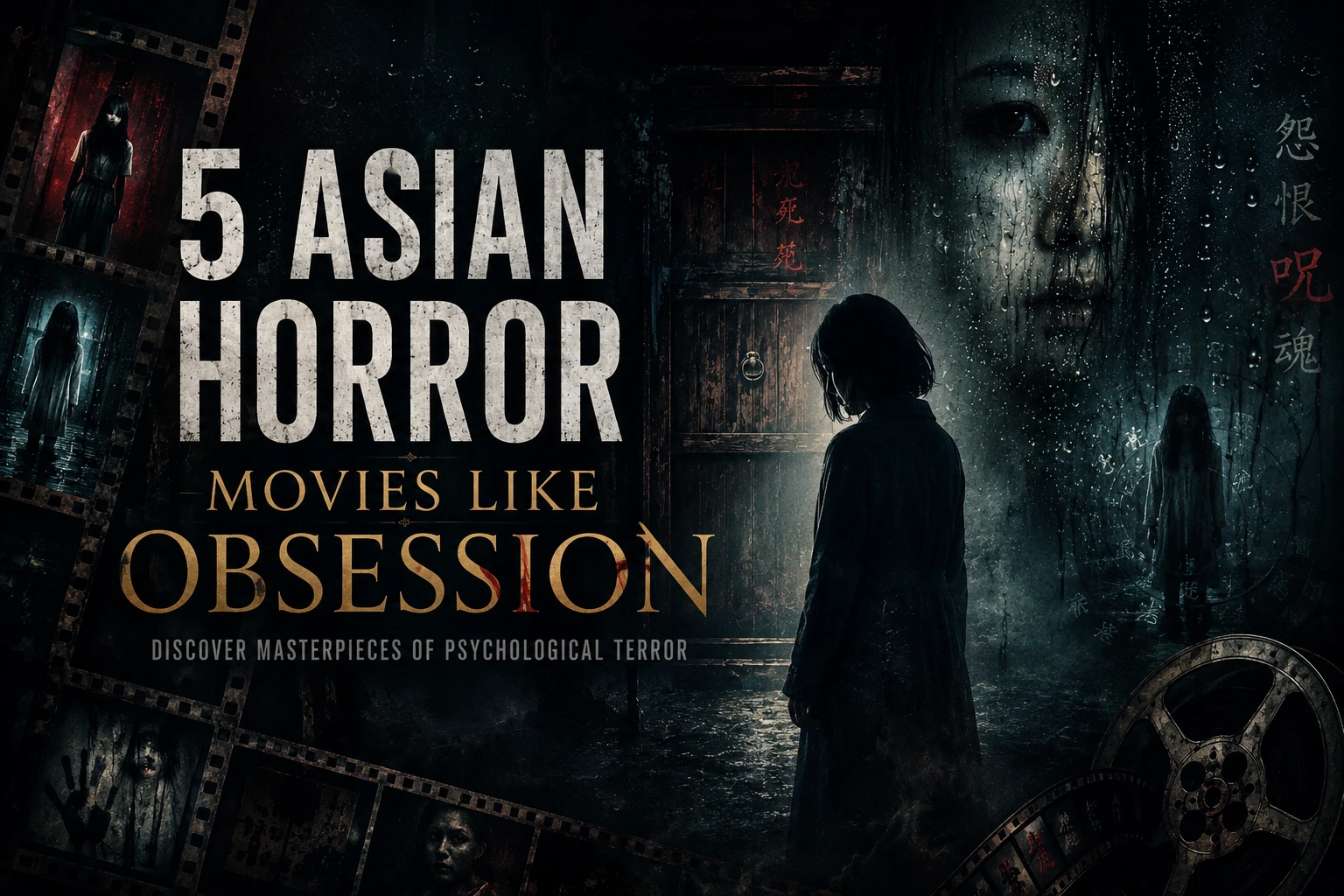
5 Best Asian Horror Movies Like Obsession
Discovering the Best Asian Horror Films Similar to Obsession
If you’ve just finished watching Obsession and found yourself captivated by its psychological depth and atmospheric storytelling, you’re not alone. Asian cinema has produced some of the most compelling horror films in recent years, blending cultural elements with universal themes of fear, obsession, and darkness. Let’s explore five outstanding Asian horror movies that capture the same haunting essence as Obsession.
1. The Wailing (2016) – South Korea’s Masterpiece of Ambiguity
The Wailing stands as a towering achievement in modern horror cinema. Director Na Hong-jin crafted a film that operates on multiple levels—part mystery, part psychological thriller, part supernatural horror. The narrative follows a small village plagued by inexplicable deaths and a mounting sense of dread that permeates every frame.
What makes The Wailing resonate with fans of Obsession is its refusal to provide easy answers. The film leaves viewers questioning reality, morality, and the nature of good versus evil. The tension builds methodically, with each revelation adding layers of complexity rather than resolving the mystery. The performances are intensely committed, particularly the confusion and desperation visible in characters as they grapple with forces they cannot comprehend.
The film’s cultural specificity—rooted in Korean spirituality and religious uncertainty—gives it a distinct flavor that feels both alien and deeply human. This balance between the specific and the universal is precisely what elevates it beyond typical horror fare.
2. A Tale of Two Sisters (2003) – South Korea’s Psychological Descent
Kim Jee-woon’s A Tale of Two Sisters operates in the realm of psychological horror, much like Obsession. The film presents a narrative that appears straightforward on the surface but gradually reveals itself to be something far more unsettling and intimate.
The story follows two sisters returning home from a hospital stay, only to discover that their relationship with their stepmother has become increasingly toxic and disturbing. What begins as typical family dysfunction evolves into something genuinely unnerving, with the cinematography and sound design creating an oppressive atmosphere that suffocates viewers.
The brilliance of this film lies in its ambiguity about what’s real and what’s imagined. Like Obsession, it trusts viewers to sit with uncomfortable questions rather than rushing toward resolution. The practical effects and production design create a sense of wrongness that lingers long after the credits roll. It’s a film that stays with you not through jump scares or graphic violence, but through the slow realization of something fundamentally broken in human relationships.
3. Noroi: The Curse (2005) – Japan’s Found-Footage Nightmare
Before found-footage horror became oversaturated, Koji Shiraishi created Noroi: The Curse, a Japanese film that remains one of the most effective examples of the subgenre. Presented as a documentary investigation into a series of mysterious deaths, the film builds its horror through accumulated evidence and testimony rather than conventional scares.
The documentary framework feels authentic because it resists the typical rhythms of Hollywood horror. Instead of manufactured tension and predictable payoffs, Noroi presents information methodically, allowing viewers to piece together a picture of something deeply wrong. The film trusts that an audience intelligent enough to follow a complex narrative will find genuine unease in discovering the truth.
This approach mirrors what makes Obsession effective—the horror emerges from understanding, not from being surprised. The film explores themes of obsession (appropriately enough) as a documentary filmmaker becomes consumed by uncovering the source of a curse, mirroring his own descent into darkness.
4. Ju-On: The Grudge (2002) – Japan’s Cultural Haunting
Ju-On: The Grudge fundamentally altered the landscape of Asian horror. Director Takashi Shimizu created something that feels both intimately Japanese and universally terrifying. The film’s central concept—that death can leave behind a malevolent presence that persists regardless of location—taps into primal fears about spaces we consider safe.
What connects it to Obsession is the film’s exploration of psychological deterioration. Characters don’t simply encounter a ghost and react rationally. Instead, the haunting changes them, wearing away their sanity as they become obsessed with understanding what they’ve encountered. The curse becomes not just supernatural but psychological, burrowing into the minds of those affected.
The film’s non-linear narrative structure means viewers never feel entirely comfortable with their understanding of events. We’re always slightly off-balance, unsure of chronology, reflecting the mental state of the characters themselves. This formal innovation contributes to the film’s lasting impact on horror cinema.
5. Dark Water (2005) – Japan’s Slow-Burn Dread
Hideo Nakata’s Dark Water operates in a different register than some other films on this list, but its effectiveness cannot be overstated. Rather than relying on shocking imagery or external threats, the film internalizes horror within a single mother’s deteriorating circumstances and mental state.
The apartment where the story takes place becomes a character itself—a cramped, moldy space where decay seems inevitable. The constant dripping of water serves as both a literal problem and a metaphor for things falling apart slowly and relentlessly. There’s no dramatic villain or supernatural showdown; instead, there’s the quiet horror of someone watching their life unravel while unable to stop it.
This restraint is what connects it most directly to Obsession. Both films understand that genuine horror often emerges from the mundane and the psychological rather than from spectacular set pieces. The terror in Dark Water is existential—the fear that circumstances will overwhelm you, that you’ll lose everything including your grip on sanity.
Why These Films Resonate with Obsession Fans
These five films share certain qualities that make them appealing to viewers who appreciate Obsession. They prioritize atmosphere and psychological tension over gore or jump scares. They trust audiences to tolerate ambiguity and incomplete information. They explore how obsession, fear, and circumstance can corrode the human psyche.
Additionally, each film is rooted in its specific cultural context while addressing universal human experiences. They’re not simply importing American horror templates but creating something distinctly Asian that feels fresh and authentic.
Finding Your Next Obsession
Starting with any of these films will provide a deeply satisfying viewing experience. If you prefer narrative ambiguity and philosophical questions, begin with The Wailing. For intimate psychological horror, A Tale of Two Sisters and Dark Water excel. If you want something that deconstructs how we consume and understand information, Noroi: The Curse is essential viewing. And if you want to see how a singular concept can reshape an entire genre, Ju-On: The Grudge remains remarkably powerful.
Asian horror cinema continues to evolve and surprise audiences worldwide. These films represent some of the finest achievements in the genre, created by filmmakers who understand that true horror operates on multiple levels—visual, psychological, emotional, and philosophical. Whether you’re new to Asian cinema or a devoted fan, these five films deserve your attention.