
Gautam Gambhir Head Coach: Is This the Start of a Superstar Era?
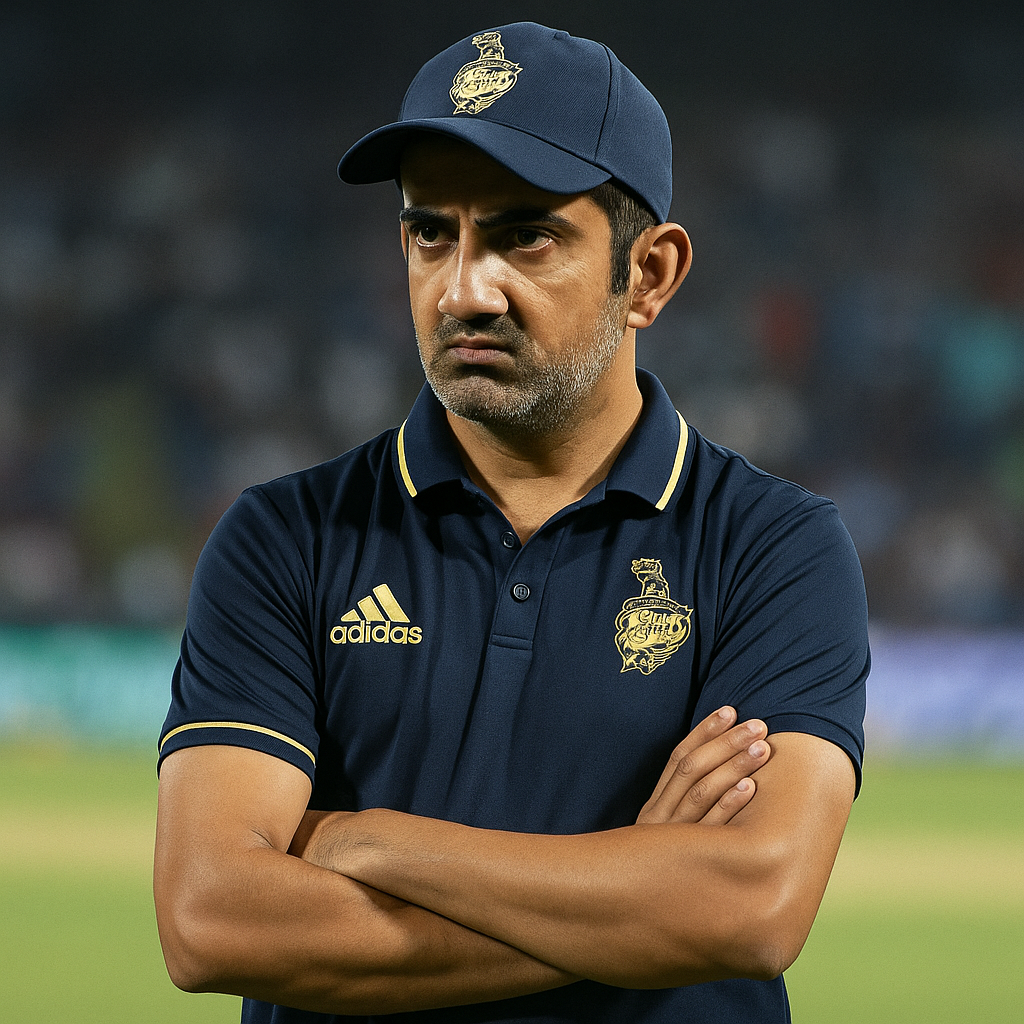
Gautam Gambhir’s arrival as India’s head coach has sparked a shift that feels bigger than a simple change in personnel. It feels like a cultural pivot.
For decades, cricket has been a captain’s sport—a world where the coach stayed in the shadows while the on-field leader shaped the team’s identity. But the early signs of the Gambhir regime suggest something different. We are seeing the birth of a culture that defines modern football, where the manager is not just a guide but the architect of the entire system.
The “Footballification” of Cricket
In football, the manager is the face of the project. Clubs are built around coaching philosophies, not just the players on the pitch.
Think about it:
- Pep Guardiola’s Manchester City.
- Jurgen Klopp’s Liverpool.
- Jose Mourinho’s Chelsea.
Their identities came from the dugout. The manager shapes the style, structures the mentality, and sets the tone. The players are the engine, but the manager is the engineer.
Breaking the “Background Figure” Tradition
Cricket has rarely worked this way. Historically, the captain has been the strategist, the motivator, and the primary decision-maker.
Coaches like John Wright, Gary Kirsten, and Andy Flower shaped teams quietly. They offered support, training, and direction, but they never occupied the narrative. The limelight always belonged to the captains—Dhoni, Ponting, Kohli, and Smith.
Gautam Gambhir is cut from a different cloth.
His personality, presence, and tactical influence have already shifted the centre of gravity. He is not the typical “background figure.” His reputation precedes him, his authority is unmistakable, and his style is assertive—almost managerial in the football sense.
He isn’t content with being a mentor; he intends to be the ideological core of the setup.
System Over Individual
The way Gambhir builds teams mirrors that football philosophy. He is known for creating defined roles, demanding high intensity, and shaping squads according to his strategic preferences.
It feels less like a coach preparing a group of individuals and more like a manager constructing a blueprint. He chooses personnel to fit a system, rather than building a system around the personnel.
This approach is standard in the Premier League but radical in Indian cricket, where coaches typically adapt to the superstars they inherit rather than the other way around.
The Rise of the “Superstar Coach”
If this model succeeds at the international level, cricket may experience a massive cultural shift.
The idea of a “superstar coach” has existed in franchise cricket—Stephen Fleming at CSK or Brendon McCullum’s “Bazball” revolution with England—but the Gambhir era has the potential to normalize it for India.
Suddenly, a coach’s persona becomes part of the narrative. Their philosophies become talking points. Their tactical fingerprints become visible.
Imagine a future where a team’s identity is spoken of in terms of the coach’s philosophy—a “Gambhir’s India” in the same way fans speak of “Guardiola’s City.” It creates continuity and a long-term project that extends beyond individual matches.
Conclusion: A New Era?
The emotional intensity Gambhir brings aligns with the theatrical style of high-profile football managers. His presence, confrontational grit, and clear expectations foster a culture where the coach’s personality defines the team’s energy.
With Gambhir, the coach is not invisible; he is unavoidable.
We are still early in this transition, but the signs are unmistakable. The power balance is shifting. The coach is stepping out of the shadows. If the Gambhir era takes shape the way many expect, we may be watching the birth of something cricket has never had before: The Managerial Empire.
In a sport long ruled by captains, this could be the beginning of an entirely new game.