7 Celebrities Who Battled Mental Health Struggles: Their Stories & What We Can Learn
Mental health struggles affect everyone — including the most celebrated figures in history. Here are 7 celebrities whose stories have shaped the conversation around depression and mental health.
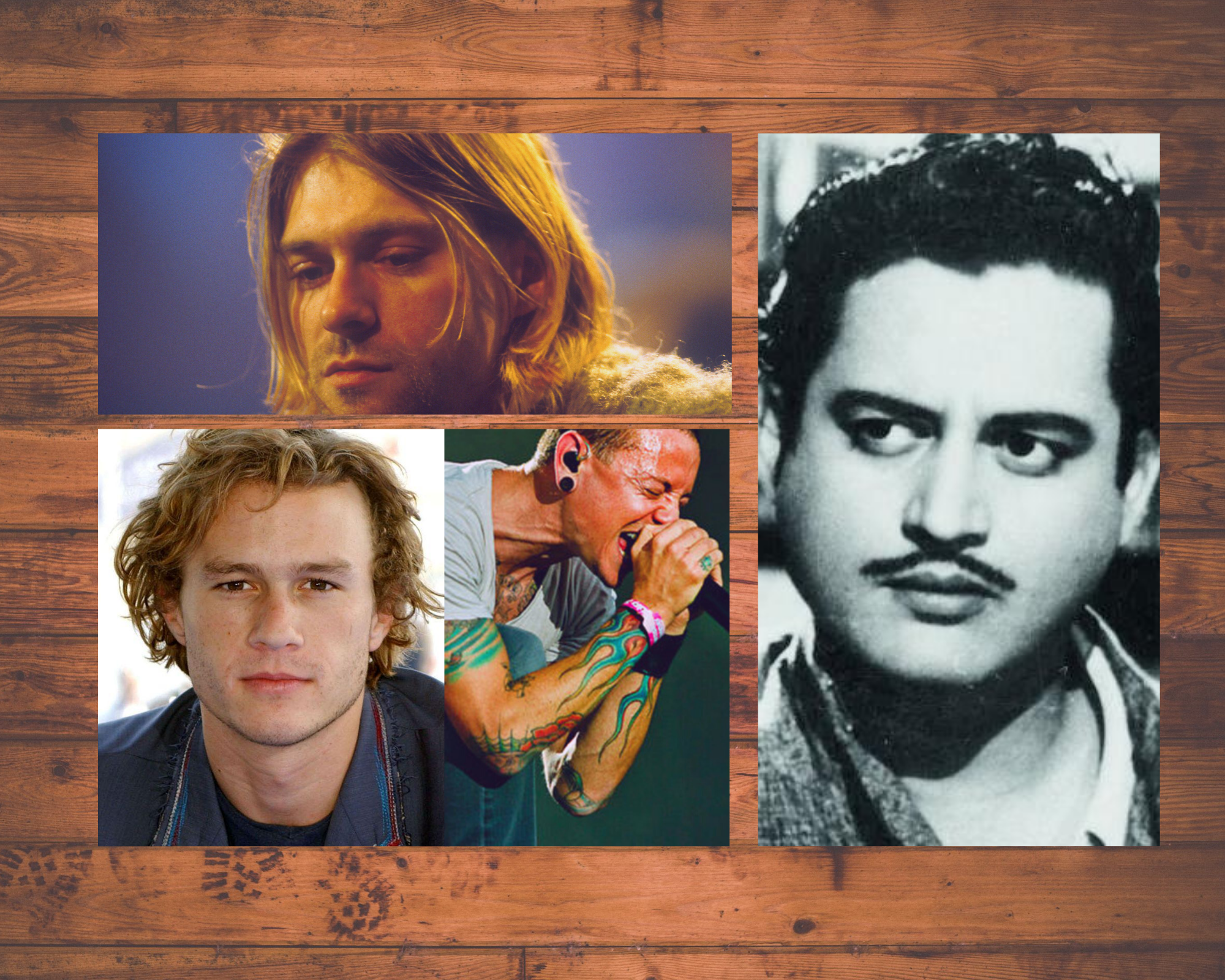
Mental health struggles don’t discriminate by fame, wealth, or success. Some of the most celebrated artists, musicians, and entertainers in history have battled depression, anxiety, and other mental health conditions — often in silence. Their stories, told here with care and respect, remind us why mental health awareness matters for everyone.
If you or someone you know is struggling, please reach out to iCall (India): 9152987821 or Vandrevala Foundation: 1860-2662-345 (24/7).
Why Celebrity Mental Health Stories Matter
According to the World Health Organisation, depression is one of the leading causes of disability worldwide. In India, the National Mental Health Survey found that nearly 150 million people need mental health care — yet fewer than 30 million actually seek treatment, largely due to stigma.
When public figures speak openly about mental health struggles, or when their stories come to light posthumously, it can help break the silence and encourage others to seek help. Here, we look at the lives and mental health journeys of seven celebrated figures who shaped culture around the world.
1. Robin Williams (1951–2014)
Robin Williams was one of the most beloved comedians and actors of his generation, known for Good Will Hunting, Aladdin, Mrs. Doubtfire, and Jumanji. Behind the exuberant, improvisational energy he brought to every role, Williams battled severe depression and was later diagnosed posthumously with Lewy Body Dementia — a degenerative brain disease that affects mood, cognition, and behaviour.
His wife Susan Schneider Williams has since become a vocal advocate for Lewy Body Dementia awareness, turning his story into a platform for greater understanding of brain disease and mental health.
2. Chester Bennington (1976–2017)
Chester Bennington was the frontman of Linkin Park, one of the best-selling rock bands of the 2000s. His powerful voice defined a generation’s emotional landscape through albums like Hybrid Theory and Meteora. Bennington spoke openly throughout his career about surviving childhood abuse, addiction, and long-term depression.
After his death, Linkin Park established the Music for Relief organisation and Bennington’s family has continued advocating for mental health resources, particularly for survivors of childhood trauma.
3. Kurt Cobain (1967–1994)
Kurt Cobain, lead singer of Nirvana, helped define alternative rock and brought grunge to the mainstream. Cobain struggled with chronic stomach pain that doctors were unable to diagnose, along with severe depression and drug addiction. His journals and interviews reveal a person who felt deeply misunderstood by the fame he simultaneously sought and resented.
His story has been widely discussed in the context of how the music industry of the 1980s–90s failed to support artists’ mental wellbeing, and has contributed to broader conversations about artist welfare.
4. Guru Dutt (1925–1964)
Considered one of the greatest filmmakers in Indian cinema history, Guru Dutt directed and acted in classics like Pyaasa, Kaagaz Ke Phool, and Sahib Bibi Aur Ghulam. Despite creating films that are now considered masterpieces, he struggled with depression, a troubled marriage, and a sense of professional failure during his lifetime.
Guru Dutt’s story is often cited in Indian discussions of undiagnosed depression and the particular loneliness that can accompany creative genius. His films — which explored loss, alienation, and the pain of unfulfilled love — are seen as deeply personal documents of his interior life.
5. Vincent van Gogh (1853–1890)
Van Gogh produced over 2,000 artworks — including The Starry Night and Sunflowers — but sold only one painting during his lifetime. He experienced severe episodes of mental illness throughout his life, which historians and medical experts have variably attributed to bipolar disorder, epilepsy, lead poisoning from paint, and other conditions.
Van Gogh’s prolific correspondence with his brother Theo provides a remarkable window into the mind of someone navigating extreme psychological distress while creating extraordinary art. His story has become a touchstone for conversations about art, suffering, and the need for community support for those with mental illness.
6. Heath Ledger (1979–2008)
Australian actor Heath Ledger won a posthumous Academy Award for his portrayal of the Joker in The Dark Knight. His death at 28 was ruled an accidental overdose of prescription medications — painkillers, anti-anxiety drugs, and sleep aids. His family and colleagues have described how the physical demands of several intense roles, combined with insomnia, took a devastating toll on his health.
Ledger’s story sparked important conversations about the psychological demands placed on actors in immersive roles and the pressure of managing fame, particularly for younger performers.
7. Sushant Singh Rajput (1986–2020)
Sushant Singh Rajput was one of Bollywood’s most talented actors, known for Kai Po Che!, MS Dhoni: The Untold Story, and Chhichhore. His death in June 2020 was ruled a suicide by the Mumbai Police, and his passing triggered an enormous national conversation about mental health in India, particularly about depression and the unique pressures faced by those in the entertainment industry.
In the aftermath, mental health helplines across India reported a significant surge in calls — indicating that his story moved many people to seek help. Mental health organisations used this moment to increase awareness about depression, treatment options, and the importance of checking in on loved ones.
The Lesson: Mental Health Is Everyone’s Concern
Fame does not protect against mental illness — and in many cases, the pressures of public life, scrutiny, and the difficulty of asking for help make things harder. The stories above are reminders that mental health conditions are real, serious, and treatable — and that no one should have to face them alone.
If you or someone you love is struggling with depression or thoughts of suicide, please reach out:
- iCall (India): 9152987821
- Vandrevala Foundation: 1860-2662-345 (24/7, free)
- AASRA: 9820466627
- iCall online chat: icallhelpline.org